Healing Eyes, Healing Lives: How Trauma Survivors Can Regain Vision and Hope

For many trauma survivors, the journey to recovery is about more than emotional healing. The impact of addiction, mental illness, or severe stress can extend to physical health, including vision. Whether due to injury, medical side effects, or years of neglecting eye health, vision problems can make daily life and emotional recovery more difficult. Thankfully, modern eye surgery offers not only the chance to restore sight but also the opportunity to rebuild confidence, independence, and hope.

Understanding the Connection Between Trauma and Vision Loss

Trauma survivors often face a combination of mental and physical challenges. Substance abuse can lead to conditions like corneal damage, cataracts, or optic nerve problems. Certain psychiatric medications may also affect eye health, causing dry eye, blurred vision, or other complications. Even without direct injury, prolonged stress and depression can delay medical care, allowing minor eye issues to progress into serious problems.

When vision loss occurs, it can intensify feelings of isolation, frustration, and hopelessness. In recovery, regaining the ability to see clearly is not just about physical function—it can be a powerful step toward reclaiming life.

How Eye Surgery Can Support Healing

Modern eye surgery offers solutions for many conditions related to trauma or addiction. LASIK, cataract surgery, and corneal transplants can dramatically improve vision. For those who have experienced injury to the eyes during periods of substance abuse or mental health crisis, reconstructive procedures can help restore both appearance and function.

These surgeries do more than sharpen vision. They can reduce the anxiety and depression associated with visual impairment, improve mobility, and make it easier to return to work or enjoy daily activities. For someone in recovery, these changes can be life-changing.

The Importance of a Holistic Approach

At lasersurgery4eyes.com, the focus is not only on performing precise surgical procedures but also on treating the whole person. That means working closely with mental health professionals, addiction specialists, and support networks to ensure each patient receives individualized care. The process starts with a thorough evaluation, including a review of medical history, current mental health treatment, and recovery status.

This collaborative approach helps ensure that patients are physically and emotionally ready for surgery. It also means that recovery support continues long after the procedure, helping patients maintain both their vision and overall well-being.

Preparing for Surgery as a Trauma Survivor

If you are considering eye surgery during or after recovery, communication is key. Be open about your history with addiction or mental health treatment. Provide a full list of medications to your surgeon, as certain prescriptions may affect healing. Having a strong support system—family, friends, or a recovery counselor—can also make the post-surgery period smoother and less stressful.

Restoring Vision, Restoring Hope

Regaining sight after trauma is about more than improved eyesight. It is about opening the door to a fuller, more independent life. Clear vision can boost confidence, improve mental health, and make everyday tasks feel less overwhelming. For trauma survivors, that renewed sense of possibility can be the spark that keeps the recovery journey moving forward.

If you or someone you love is living with vision loss after addiction or trauma, help is available. Contact lasersurgery4eyes.com to learn how compassionate, expert care can restore not just your sight, but your hope for the future.

When Women Pray: Breaking Addiction’s Hold Through Faith

Addiction can feel like an unshakable force, stripping away joy, identity, and hope. For many women, the road to recovery is not just about breaking physical dependence. It is about restoring the mind, healing the heart, and renewing the spirit. Prayer, when combined with professional treatment, offers a lifeline that reconnects women to their purpose and empowers them to take back their lives. At LadyFest Hamburg’s faith-based recovery programs, prayer is more than a tradition. It is a cornerstone of lasting healing.

The Spiritual Foundation of Recovery

Addiction affects every part of a woman’s life: her health, relationships, and emotional well-being. While medical care and counseling address the physical and psychological aspects, faith reaches deeper. Prayer allows women to release their fears, guilt, and uncertainty into the hands of a loving God who offers unconditional grace.

In a safe, supportive environment, prayer is a daily practice that strengthens inner resilience. Women in recovery discover that they are not alone. Their struggles are met with divine compassion and the encouragement of a caring community.

How Prayer Breaks Addiction’s Stronghold

Prayer does not erase the challenges of recovery overnight, but it changes how women face them. Through consistent prayer, women gain clarity, strength, and the ability to resist temptation. By shifting the focus from the weight of addiction to the power of God’s promises, prayer helps replace feelings of helplessness with hope.

Three ways prayer supports recovery:

  1. Encourages self-reflection and growth: Prayer offers a quiet space to process emotions and recognize progress.
  2. Reinforces positive coping skills: In moments of craving or emotional distress, prayer becomes a healthy, life-affirming response.
  3. Builds accountability: Sharing prayer with others in group sessions fosters mutual support and a sense of responsibility.

A Holistic and Individualized Path to Healing

LadyFest Hamburg understands that no two recovery journeys are alike. Their programs integrate evidence-based therapies with faith-centered practices like prayer, Scripture study, and worship. This holistic approach addresses the body, mind, and spirit together, helping women heal from the inside out.

Inpatient care offers a structured, nurturing space where prayer and counseling work hand in hand. Outpatient programs provide ongoing support, ensuring that the power of prayer continues to guide women as they transition back into their daily lives.

Building a Sisterhood of Faith

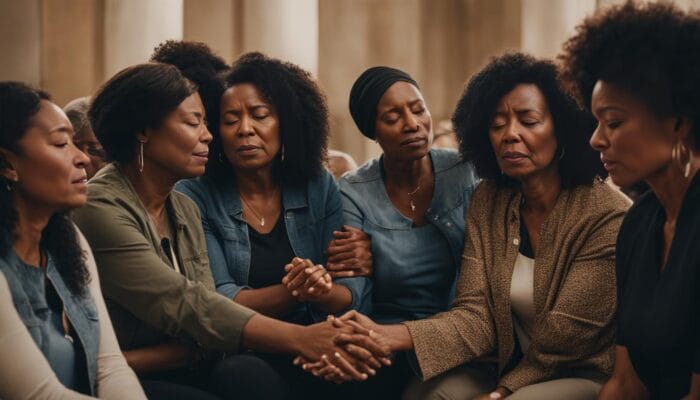
Recovery is never meant to be walked alone. When women come together in prayer, they form bonds that transcend shared experiences. They become prayer partners, encouragers, and role models for one another. This sisterhood of faith creates a lasting network of support that continues well beyond the program.

Taking the First Step

Addiction does not define you. With the right help, freedom is possible. At LadyFest Hamburg, women find more than treatment. They find a pathway to wholeness through personalized care, professional expertise, and the transformative power of prayer.

If you or a loved one is struggling, now is the time to reach out. Let faith be your foundation and prayer your strength. Healing begins with one step, and that step can start today.

Kneeling for Healing: How Prayer Empowers Christian Women in Recovery

For Christian women walking the path of addiction recovery, prayer is not merely a spiritual discipline—it’s a lifeline. More than ritual or routine, prayer becomes a personal dialogue with God, a sacred space where healing begins and transformation takes root. In a journey often marked by pain, shame, and brokenness, prayer offers hope, restoration, and a renewed identity in Christ.

A Safe Place for the Soul

Addiction often leaves women feeling isolated, misunderstood, and lost. In the silence of prayer, they find a refuge—a place to pour out their fears, regrets, and longings without judgment. Psalm 34:18 reminds us, “The Lord is close to the brokenhearted and saves those who are crushed in spirit.” Through prayer, women in recovery experience the comforting nearness of God, even when the world feels far away.

In moments of weakness, prayer becomes a sanctuary where strength is renewed. It’s in these quiet conversations with God that many women rediscover their worth and realize they are not defined by their addiction, but by the love and grace of their Creator.

Strength for the Journey

Recovery is not a straight path—it’s a road marked by both victories and setbacks. In those challenging moments, prayer empowers Christian women to keep moving forward. Philippians 4:6-7 instructs believers, “Do not be anxious about anything, but in every situation, by prayer and petition, with thanksgiving, present your requests to God.” This invitation to cast every burden before Him becomes a powerful tool in battling temptation and fear.

When cravings or triggers surface, prayer redirects focus from the struggle to the Savior. It provides a moment of pause, a reset button that reminds women they’re not alone. God walks with them, listens, and provides peace that surpasses understanding.

Building Spiritual Resilience

Regular prayer cultivates spiritual resilience. As Christian women make prayer a daily practice, they strengthen their faith muscles. Over time, they begin to respond to life’s challenges with Scripture, trust, and grace rather than panic or despair. Prayer also reinforces accountability and encourages ongoing surrender—a key element in recovery.

Many women in recovery also engage in group prayer or prayer partnerships. These shared moments of faith build community and remind them that healing isn’t meant to happen in isolation. Hearing another woman pray over their pain or praise God for progress ignites courage and reinforces hope.

From Healing to Helping

As women grow stronger in recovery through prayer, many are inspired to intercede for others. Their own experience becomes a testimony, and their prayers become a source of healing for sisters still in the struggle. James 5:16 declares, “The prayer of a righteous person is powerful and effective.” In this, Christian women step into their calling as spiritual warriors and compassionate mentors.

Conclusion

Prayer is not just a practice—it’s the power behind the process. For Christian women recovering from addiction, kneeling before God opens the door to healing, strength, and lasting change. Through prayer, they find not only the courage to face the day but the faith to believe that with God, freedom is truly possible.

The Proverbs 31 Woman in Recovery: How Christian Values Help Overcome Addiction

The Proverbs 31 woman is often seen as a symbol of strength, dignity, and godly character. But for Christian women facing addiction, this passage offers more than an ideal—it becomes a roadmap to recovery. The traits described in Proverbs 31 can guide women through the process of healing, showing them how to rebuild their lives with faith, integrity, and purpose.

Redefining Strength Through Surrender

Proverbs 31:25 says, “She is clothed with strength and dignity; she can laugh at the days to come.” For women in recovery, true strength begins with surrender—not to addiction, but to God. Acknowledging the need for help is not a sign of weakness; it’s a bold act of courage. Christian women who embrace this truth find the spiritual strength to face each day, knowing that God is walking with them on the journey to sobriety.

This strength comes from leaning on God’s promises rather than personal willpower alone. Philippians 4:13 reinforces this mindset: “I can do all things through Christ who strengthens me.”

Embracing Dignity and Self-Worth

Addiction often leads to feelings of shame and worthlessness, but Proverbs 31 offers a new perspective. The woman described in this passage knows her value—not because of worldly achievements, but because of her relationship with God. Verse 10 says, “She is worth far more than rubies.”

For women in recovery, embracing their God-given worth is a critical step toward healing. Through faith, they learn to let go of past mistakes and step into a new identity rooted in grace. Recovery becomes not just about stopping harmful behaviors but about restoring dignity and learning to love oneself as God does.

Living with Purpose and Service

The Proverbs 31 woman is known for her compassion and service to others. Verse 20 says, “She opens her arms to the poor and extends her hands to the needy.” In recovery, this call to service becomes a tool for transformation. Helping others—whether by mentoring, volunteering, or simply offering a listening ear—provides a sense of purpose and keeps women grounded in their faith.

Many Christian recovery programs encourage service as part of the healing process. By focusing on helping others, women shift their attention from personal struggles to community support, creating a positive cycle of encouragement and growth.

Building a Life of Faith and Stability

Proverbs 31 paints a picture of a woman who manages her household with wisdom and faithfulness. Recovery is about rebuilding a stable life, grounded in Christian values such as honesty, humility, patience, and love. This often involves setting healthy boundaries, reconnecting with family, and creating new habits that honor God.

Daily prayer, Bible study, and fellowship with other believers help women stay focused on their spiritual growth, allowing them to find lasting freedom from addiction.

Conclusion

The Proverbs 31 woman is not an unreachable ideal but a living example of what is possible through God’s grace. For Christian women in recovery, her example inspires a path of healing, dignity, and purpose. By embracing these values, they can break free from addiction and step into the fullness of life God intends for them.

Healing Through Worship: How Christian Women Use Praise to Find Freedom from Addiction

Worship is a powerful expression of love, surrender, and faith—and for Christian women battling addiction, it can also be a profound pathway to healing. In the midst of their struggles, many women discover that lifting their voices in praise allows them to reconnect with God, reclaim their identity, and find strength beyond their own capacity. Worship is more than singing songs; it is a spiritual battle cry and a declaration of freedom over bondage.

Worship as Spiritual Warfare

Addiction is not only a physical and emotional battle; it is a spiritual one. Christian women turn to worship as a form of warfare, declaring God’s sovereignty over their lives and breaking the chains that hold them back. 2 Chronicles 20:22 tells the story of how, when Judah began to sing and praise, God set ambushes against their enemies. In the same way, when women praise in the midst of pain, spiritual strongholds begin to crumble.

Worship shifts the focus from the weight of addiction to the greatness of God. It invites the Holy Spirit to fill the spaces once occupied by fear, guilt, and despair. This divine exchange brings peace and clarity, even in the most turbulent times.

Restoring Identity Through Praise

Addiction often steals a woman’s sense of self-worth and identity. It speaks lies of failure and shame. But worship tells a different story—it reminds her of who she is in Christ. Through praise, Christian women declare the truths found in Scripture: they are chosen (1 Peter 2:9), redeemed (Ephesians 1:7), and beloved (Romans 5:8).

Singing worship songs rooted in God’s promises helps replace negative self-talk with divine affirmation. These truths sink into the heart and mind, fostering healing from the inside out. Worship becomes a mirror reflecting God’s love and a reminder that she is never beyond His reach.

Experiencing God’s Presence

In moments of worship, many Christian women experience God’s presence in a deeply personal way. Psalm 22:3 says that God inhabits the praises of His people. This intimate connection strengthens faith and reassures women that they are not alone. His presence brings comfort and empowers them to keep moving forward in recovery.

Worship also serves as a sacred pause—an opportunity to slow down, reflect, and realign the heart with God’s purpose. Whether in a church setting, a recovery group, or a private space, worship becomes a lifeline to hope.

Creating a Lifestyle of Praise

True healing comes not just from a moment of worship but from cultivating a lifestyle of praise. Christian women who commit to daily worship—through song, gratitude, prayer, and Scripture—build resilience over time. Praise shifts their perspective and keeps their hearts anchored in faith.

Isaiah 61:3 speaks of a “garment of praise instead of a spirit of despair.” As women put on this garment daily, they walk forward with confidence and freedom. Worship becomes their anthem of recovery.

Conclusion

For Christian women overcoming addiction, worship is more than a spiritual practice—it’s a healing journey. Through praise, they break spiritual chains, restore their identity, and draw closer to God. In lifting their voices, they rise above addiction, singing their way into freedom, peace, and purpose.

Women of Faith: The Role of Christian Mentors in Addiction Recovery

Addiction recovery is a deeply personal journey, yet no one is meant to walk it alone. For many Christian women, mentorship becomes a cornerstone of healing. Women of faith who have faced their own battles with addiction or have been shaped by God’s Word offer a unique and powerful form of support to those still struggling. These mentors serve as guides, encouragers, and spiritual sisters—walking alongside women as they move from brokenness to restoration.

The Power of Shared Testimony

Christian mentors often have a past filled with the very same struggles they now help others overcome. Their testimonies of deliverance and grace become beacons of hope to those just beginning their journey. Revelation 12:11 says, “They triumphed over him by the blood of the Lamb and by the word of their testimony.” When a woman in recovery hears how another has overcome addiction through faith, she is reminded that victory is possible.

These shared stories not only break the isolation addiction often brings but also model the redemptive power of God in real life. Mentors show that transformation isn’t just theoretical—it’s lived, it’s real, and it’s available to all who seek it.

Spiritual Accountability and Encouragement

Christian mentors offer more than companionship—they provide spiritual accountability. Proverbs 27:17 says, “As iron sharpens iron, so one person sharpens another.” A mentor gently challenges a recovering woman to stay grounded in Scripture, attend church, pray consistently, and lean on God during moments of weakness.

Having someone to pray with, talk to, and confide in makes the difference between relapse and resilience. These faith-filled relationships reinforce the idea that God’s grace is ongoing and that setbacks don’t mean failure—they’re an opportunity to grow closer to Him.

Teaching Through Scripture

Mentors help women in recovery learn how to apply Scripture to their daily struggles. Whether it’s through Bible studies, devotionals, or simple conversations, mentors guide women to the Word of God for strength and direction. Psalm 119:105 states, “Your word is a lamp for my feet, a light on my path.”

With the help of a mentor, a recovering woman can learn to replace lies with truth, fear with faith, and shame with grace. These spiritual tools empower her to combat temptation, stand firm in her identity in Christ, and continue forward in her healing journey.

Creating a Legacy of Hope

When Christian women serve as mentors, they create a ripple effect of transformation. As those in recovery gain strength and stability, many feel called to mentor others in turn. This cycle of support, rooted in Christ’s love, creates a growing community of hope and healing.

Titus 2:3-5 illustrates this concept, encouraging older women to teach and guide younger ones. This biblical model of mentorship continues to be a powerful framework for recovery, one rooted in relationship, responsibility, and spiritual growth.

Conclusion

The role of Christian mentors in addiction recovery cannot be overstated. Through empathy, Scripture, and steadfast support, they help women rise from addiction into a life of purpose and faith. These mentors are living vessels of God’s grace, helping others see that with Christ—and a sister by their side—freedom is truly possible.

From Darkness to Light: How Christian Women Overcome Addiction Through Faith

Addiction often drags individuals into a deep, lonely darkness—a place filled with shame, guilt, and hopelessness. For many Christian women, however, faith becomes the key that unlocks the door to healing, leading them from the shadows of addiction into the light of God’s grace and freedom. With Scripture, prayer, and a supportive faith community, these women find strength and courage to rebuild their lives and embrace a future rooted in Christ.

The Struggle in the Shadows

Addiction impacts people in many forms—alcohol, drugs, pornography, food, or even emotional dependencies. For Christian women, the battle can be especially isolating due to the stigma surrounding addiction within faith communities. The fear of judgment often causes them to suffer in silence. But Scripture teaches that God sees beyond appearances and reaches into the heart. Psalm 139:12 assures, “Even the darkness will not be dark to you; the night will shine like the day, for darkness is as light to you.”

This verse reminds women that no matter how far they feel from God, He is always near, ready to lead them into the light of His love and healing.

Surrendering to God

The journey from addiction begins with surrender. Christian women who choose to lay their struggles at the feet of Jesus take the first step toward recovery. This act of surrender is not a sign of weakness, but a powerful declaration of trust. Proverbs 3:5-6 instructs, “Trust in the Lord with all your heart and lean not on your own understanding; in all your ways submit to him, and he will make your paths straight.”

By letting go of control and allowing God to guide their steps, women begin to experience a peace that surpasses understanding and a hope that restores the soul.

Scripture as a Source of Strength

Faith in recovery is sustained through God’s Word. The Bible becomes a lifeline, offering truth when lies of unworthiness and failure threaten to resurface. Romans 8:1 declares, “Therefore, there is now no condemnation for those who are in Christ Jesus.” This powerful truth frees women from shame and reminds them of their identity in Christ: forgiven, redeemed, and deeply loved.

Daily meditation on Scripture not only strengthens their spirit but also renews their minds, helping them break harmful patterns and adopt new ways of thinking aligned with God’s will.

The Role of Community and Prayer

Healing is often found in community. Through support groups, Bible studies, and church involvement, Christian women find the encouragement they need to stay on the path of recovery. James 5:16 says, “Therefore confess your sins to each other and pray for each other so that you may be healed.”

In these sacred spaces, women build relationships rooted in grace, accountability, and shared faith. Prayer becomes a powerful weapon in their recovery journey—connecting them to God’s strength when theirs runs out.

Walking in the Light

Overcoming addiction through faith is not a quick fix but a transformative journey. Christian women who place their trust in God discover that He not only heals but restores. John 8:12 reminds us of Jesus’ promise: “I am the light of the world. Whoever follows me will never walk in darkness, but will have the light of life.”

With each step forward, they leave behind the shadows of addiction and walk boldly in the radiant light of God’s grace, becoming living testimonies of His power to redeem and restore.

Biblical Strength: How Christian Women Use Scripture to Battle Addiction

Addiction can be an overwhelming challenge that affects not only the body but the mind and spirit as well. For Christian women, however, turning to Scripture provides a powerful means of recovery, resilience, and hope. God’s Word offers both comfort and strength, helping women battle addiction with faith as their anchor and the Bible as their guide. Through Scripture, Christian women can reclaim their identity in Christ, find freedom from the chains of addiction, and discover the tools needed for lasting transformation.

The Healing Power of Scripture

For women struggling with addiction, the Bible offers more than just a source of encouragement—it provides the healing that their hearts and minds need. The Scriptures are living and active, as Hebrews 4:12 reminds, “For the word of God is alive and active. Sharper than any double-edged sword.” Addiction can leave women feeling broken and defeated, but Scripture speaks life into these struggles. Verses like Psalm 34:18, which says, “The Lord is close to the brokenhearted and saves those who are crushed in spirit,” serve as reminders that God is present in their pain, offering a path to emotional and spiritual healing.

Renewing the Mind

Addiction often leads to distorted thinking and self-destructive patterns of behavior. Romans 12:2 encourages believers to “not conform to the pattern of this world, but be transformed by the renewing of your mind.” This transformation comes from internalizing the truths of Scripture. By immersing themselves in God’s Word, Christian women begin to change the way they view themselves and the world around them. Verses like Philippians 4:8, which encourages believers to think on things that are true, noble, pure, and praiseworthy, help women reject the lies that addiction has embedded in their minds and embrace healthier, life-affirming thoughts.

Fighting Temptation with the Word

One of the most powerful ways Christian women use Scripture in their battle with addiction is by declaring God’s promises in moments of temptation. Ephesians 6:17 tells believers to “take the sword of the Spirit, which is the word of God.” Just as a sword provides protection in battle, Scripture provides protection from the lies and temptations of addiction. Christian women can stand firm in the truth of passages like 1 Corinthians 10:13, which assures, “No temptation has overtaken you except what is common to mankind. And God is faithful; he will not let you be tempted beyond what you can bear.” By claiming these promises, women are equipped to resist the urge to fall back into old patterns and instead trust God for strength.

Resting in God’s Promises

Addiction recovery is a journey that requires patience and persistence. During this process, Christian women can draw strength from God’s promises, knowing they are not walking the path alone. Scriptures such as Psalm 23:1-3, “The Lord is my shepherd; I lack nothing. He makes me lie down in green pastures, he leads me beside quiet waters, he refreshes my soul,” remind women that God is guiding them with love and care. These promises of peace and restoration provide both comfort and the courage to move forward, even on difficult days.

Walking in Freedom

Ultimately, Scripture empowers Christian women to break free from the chains of addiction. Philippians 4:13, “I can do all things through Christ who gives me strength,” is a powerful reminder that true freedom comes through Christ, who gives the strength to overcome any obstacle. With the Word as their weapon and Christ as their foundation, Christian women can walk in the freedom He has promised, finding healing, renewal, and a restored sense of purpose in their lives.

Breaking Chains Through Christ: How Faith Empowers Women in Addiction Recovery

Addiction is a chain that binds the mind, body, and spirit, leaving many feeling hopeless and imprisoned. For Christian women, however, faith in Jesus Christ offers a pathway to true freedom. The journey of addiction recovery is challenging, but with faith as the foundation, women find the strength to break free from bondage and step into a life of purpose, healing, and renewal.

Christ as the Chain Breaker

At the heart of Christian recovery is the belief that Jesus Christ has the power to break every chain. Isaiah 61:1 declares, “He has sent me to bind up the brokenhearted, to proclaim freedom for the captives and release from darkness for the prisoners.” This verse captures the hope that Christ brings to women struggling with addiction.

Faith allows women to hand over their pain, regrets, and struggles to a Savior who offers unconditional love and grace. Believing in Christ’s redemptive power instills hope and the courage to face each day with renewed determination.

The Strength of Spiritual Surrender

One of the most powerful steps in recovery is surrender—admitting that we cannot overcome addiction by our own strength and choosing instead to trust God completely. Proverbs 3:5-6 urges, “Trust in the Lord with all your heart and lean not on your own understanding; in all your ways submit to him, and he will make your paths straight.”

Christian women who surrender to God discover that letting go doesn’t mean defeat—it means placing their lives in the hands of the One who can truly heal. Surrender opens the door for God to work deeply, mending emotional wounds and breaking spiritual strongholds.

The Role of Scripture in Renewal

God’s Word serves as a guiding light during the darkest times of recovery. Scriptures like 2 Corinthians 12:9 remind women that God’s grace is sufficient, and His power is made perfect in weakness. Through daily reading, meditation, and reflection on the Bible, women gain strength, encouragement, and a renewed sense of identity.

Instead of being defined by their past or addiction, Christian women begin to see themselves as God’s beloved daughters—redeemed, chosen, and worthy of a new life.

Supportive Faith Communities

Christian recovery thrives in community. Whether through church support groups, faith-based recovery meetings, or spiritual friendships, women find encouragement in walking the journey with others. Galatians 6:2 encourages believers to “Carry each other’s burdens,” and through fellowship, many find strength, accountability, and love.

These communities reinforce the truth that healing is not meant to be done alone. In shared prayer, worship, and mutual support, women find the courage to keep pressing forward.

Living in Freedom

Breaking free from addiction is only the beginning. Christian women empowered by faith go on to live lives filled with purpose, service, and gratitude. Romans 8:1 proclaims, “There is now no condemnation for those who are in Christ Jesus.” This powerful truth allows women to walk in freedom—unshackled by guilt, fear, or shame.

Through faith in Christ, the chains of addiction are shattered, and what remains is a testimony of transformation, hope, and unshakable freedom.


God’s Grace in Recovery: A Christian Woman’s Guide to Overcoming Addiction

Addiction can feel like an insurmountable mountain, casting shadows of guilt, shame, and despair. Yet, for Christian women seeking freedom, God’s grace offers a powerful light to guide them through the darkness. Recovery is not just about breaking free from physical dependency; it’s about spiritual renewal, identity in Christ, and walking boldly in God’s transformative love.

Embracing God’s Grace

God’s grace is the unmerited favor that welcomes us, even when we feel unworthy. For women battling addiction, this grace becomes the cornerstone of healing. Ephesians 2:8-9 reminds us, “For it is by grace you have been saved, through faith—and this is not from yourselves, it is the gift of God.” Understanding that recovery is not earned by perfection but offered through grace releases the burden of shame and invites hope.

Accepting grace means recognizing that past mistakes do not define a person’s worth. Christian women are called to see themselves not as addicts or failures, but as beloved daughters of God. This identity shift is essential to long-term healing and emotional restoration.

Turning to Scripture for Strength

The Bible is filled with promises that offer strength and encouragement. Verses like Isaiah 41:10—”So do not fear, for I am with you; do not be dismayed, for I am your God”—act as spiritual lifelines during moments of weakness. Christian women in recovery are encouraged to build their days around scripture reading, reflection, and meditation.

By embedding God’s Word into their hearts, women are better equipped to resist temptation and respond to challenges with faith instead of fear. Scripture becomes a sword against lies of unworthiness and despair, reaffirming God’s love and power to restore.

Confession and Forgiveness

Addiction often brings with it a trail of broken relationships and regrets. Through confession and seeking God’s forgiveness, women begin to experience emotional and spiritual healing. 1 John 1:9 says, “If we confess our sins, he is faithful and just and will forgive us our sins and purify us from all unrighteousness.”

This act of confession is not about condemnation, but about liberation. It allows women to release the weight of hidden pain and step into the freedom that comes with being fully known and fully loved by God.

Community and Accountability

Healing rarely happens in isolation. Christian women are encouraged to seek out supportive communities—whether through church groups, faith-based recovery programs, or spiritual mentors. In these safe spaces, they find encouragement, accountability, and the reminder that they are not alone.

Galatians 6:2 instructs believers to “Carry each other’s burdens, and in this way you will fulfill the law of Christ.” Through genuine connections, Christian women experience God’s grace not just individually but communally.

Walking in Newness of Life

Recovery is a lifelong journey, but with God’s grace, every step is covered in hope. Romans 6:4 speaks of new beginnings: “Just as Christ was raised from the dead through the glory of the Father, we too may live a new life.”

Through grace, faith, and community, Christian women discover that overcoming addiction is possible. More than that, they learn to thrive, restored by the boundless love and mercy of God.

1 2 3 4 5 6